Rain, Sensors, and Secrets: What's Really Happening When Your Cruise Control Backs Off in a Storm
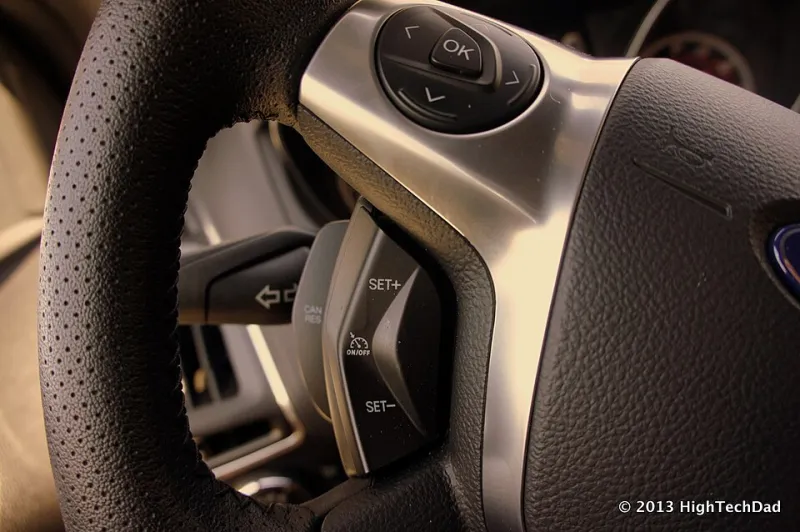
Photo: Michael Sheehan, CC BY 2.0, via Wikimedia Commons
You're cruising comfortably at 72 mph on an empty interstate. The sky opens up, rain starts tapping the windshield, and within seconds your adaptive cruise control either drops a few mph on its own or bails out entirely. No warning. No explanation. Just a beep and a flashing icon.
Most drivers chalk it up to "the car being safe." But is it? Or is something else going on — a mix of sensor limitations, legal caution, and calibration choices that nobody at the dealership is ever going to walk you through?
We went looking for real answers.
The Sensor Problem Nobody Puts in the Brochure
Modern adaptive cruise control systems rely on a combination of radar, cameras, and sometimes lidar to track the road ahead. In dry conditions, these sensors work beautifully. Rain changes the math in a hurry.
Radar-based systems — the kind used in most mainstream vehicles from Ford, Toyota, GM, and Honda — can handle light rain reasonably well. The millimeter-wave radar frequencies most automakers use are designed to punch through precipitation. But here's the catch: they're not perfect, and the degradation isn't linear. A light drizzle might cause almost no interference. A heavy downpour? The radar return signal gets cluttered with false echoes from raindrops, road spray, and standing water.
Camera-based systems have it even harder. Optical sensors lose contrast and edge definition in rain. Spray kicked up by other vehicles can essentially blind a forward-facing camera for fractions of a second at a time — and fractions of a second matter a lot at highway speed.
When sensors start returning noisy or ambiguous data, the system faces a choice: act on uncertain information, or default to caution. Almost every manufacturer has calibrated their systems to choose caution. That's not inherently wrong. But the threshold at which "caution" kicks in? That's a business decision as much as an engineering one.
The Liability Calculation You're Not Supposed to Notice
Here's where it gets interesting. Engineers who work on ADAS (Advanced Driver Assistance Systems) will tell you, off the record, that the sensitivity thresholds in these systems aren't purely about physics. They're about risk management.
If an adaptive cruise control system stays engaged during heavy rain and a rear-end collision happens, the automaker faces potential exposure in litigation. The plaintiff's attorney will argue the system should have disengaged. If the system does disengage and the driver then causes an accident, the manufacturer can point to the disengagement as proof the car did its job.
It's a one-sided risk calculation, and it trends toward over-caution — which means your cruise control is probably backing off in conditions where a skilled, attentive human driver would be perfectly fine holding speed.
This isn't a conspiracy in the tinfoil-hat sense. It's just how corporate risk management works. But it does mean the behavior of your cruise control in rain is shaped as much by lawyers as by engineers.
The Hidden Calibration Layers
Most drivers don't realize that cruise control sensitivity is a tunable parameter — and manufacturers tune it differently for different markets, trims, and even model years.
A base-trim sedan might disengage in moderate rain because it's running a more conservative software profile. The same platform in a higher trim with a "premium" safety package might handle the same rain without flinching, because that trim has better sensors and a recalibrated threshold. Same car, different behavior.
What's more, software updates pushed over-the-air — increasingly common in Tesla, Ford, and GM vehicles — can quietly shift these thresholds. Owners have reported on forums that their adaptive cruise felt "different" after an update, either more or less trigger-happy in wet conditions. The manufacturers rarely document these changes in release notes.
So Is It Actually Keeping You Safer?
This is the honest question, and the answer is: sometimes yes, sometimes probably not.
In genuinely severe conditions — heavy rain reducing visibility to under a quarter mile, standing water on the road, rapid changes in traffic — disengaging cruise control is the right call. Wet roads extend stopping distances significantly. A system that can't reliably track the car ahead shouldn't be trusted to manage following distance.
But a light rain on a dry-base road with good visibility? The physics don't demand a speed reduction. The sensor tech can handle it. The real-world risk isn't materially higher than a clear day. In those situations, the system backing off isn't protecting you — it's protecting the manufacturer's legal position.
The frustrating part is that you can't always tell which scenario you're in. The car doesn't explain itself. It just beeps and hands the wheel back.
What You Can Actually Do About It
A few practical moves if wet-weather cruise dropouts are driving you nuts:
Keep your sensors clean. Front radar sensors and forward cameras accumulate road grime fast. A dirty sensor degrades performance even in dry conditions — in rain, it compounds the problem. Most are located behind the front grille badge or on the windshield near the rearview mirror. Check your owner's manual and clean them regularly.
Check for software updates. Dealers and OTA systems sometimes push calibration improvements. It's worth asking your service advisor whether any ADAS updates are available, especially if your vehicle is more than a year old.
Know your system's limits. Some vehicles let you adjust following distance sensitivity and engagement thresholds. Dig into the driver assistance settings menu — you might find options you didn't know were there.
Don't fight the system in genuinely bad conditions. If your cruise is cutting out in a real downpour, take the hint. The system may be imperfect, but it's not wrong to be cautious when the road is truly sketchy.
The bottom line: your cruise control isn't lying to you in the rain, but it's not telling you the whole truth either. Understanding the mix of real sensor physics and calculated corporate caution behind that behavior puts you in a better position to decide when to trust it — and when to just drive.