Keeping the Keys: How Adaptive Cruise Control Is Helping Older Drivers Stay on the Road Longer
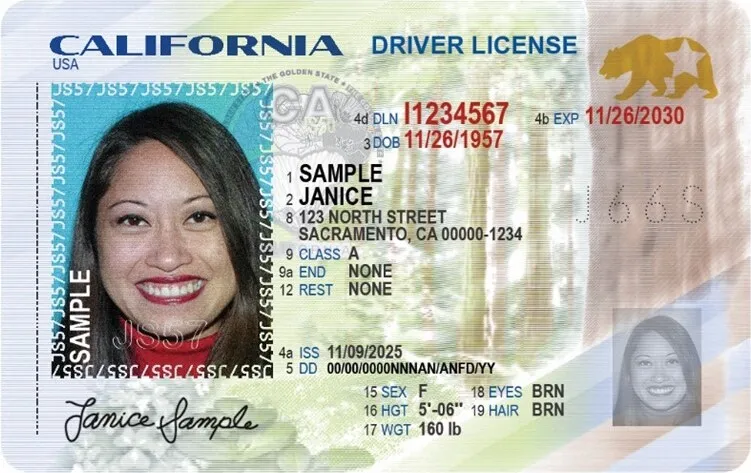
Photo: California Department of Motor Vehicles, Public domain, via Wikimedia Commons
For a lot of Americans, the day they stop driving isn't just an inconvenience. It's a life change. Fewer social connections. Harder access to medical appointments. A shrinking world. According to the AAA Foundation for Traffic Safety, roughly 600,000 older adults stop driving every year — and many of them describe the transition as one of the most difficult of their lives.
But something is shifting in how doctors, occupational therapists, and driving rehabilitation specialists think about that timeline. Increasingly, the conversation isn't just about when to stop driving — it's about what tools might help someone drive safely for longer. And adaptive cruise control keeps coming up.
Why Highway Driving Gets Harder With Age
To understand why cruise control matters here, it helps to understand what actually changes for drivers as they get older.
Reaction time slows — not dramatically in most cases, but measurably. Sustained attention becomes harder to maintain over long stretches. Neck and shoulder stiffness can make checking mirrors and blind spots more physically demanding. Some older drivers also experience increased anxiety in high-speed, high-traffic situations, which can lead to either over-caution or fatigue-driven inattention.
Highway driving, specifically, puts all of these factors under stress simultaneously. Maintaining consistent speed, managing following distance, tracking multiple vehicles, and staying alert for 30, 60, or 90 minutes at a stretch is cognitively and physically demanding in ways that aren't obvious until the demands start to exceed what the driver can comfortably manage.
This is exactly where adaptive cruise control enters the picture.
What Driving Specialists Are Recommending
Certified Driver Rehabilitation Specialists (CDRS) — occupational therapists who specialize in assessing and improving driving ability — have started incorporating cruise control into their toolkit in a meaningful way.
The logic is straightforward. Adaptive cruise control handles two of the most demanding continuous tasks in highway driving: maintaining consistent speed and managing following distance. By offloading those responsibilities to the vehicle, the driver can redirect attention to what humans are still better at — reading the broader traffic environment, anticipating lane changes, watching for unusual situations.
"When a patient tells me they're exhausted after an hour on the highway but fine on local roads, that's often a workload issue, not a fundamental capability issue," one CDRS working in the Pacific Northwest explained in a recent occupational therapy journal. "Modern cruise systems can genuinely reduce that workload to a manageable level."
Some geriatric physicians have begun asking about cruise control availability when patients raise driving concerns. It's not a formal prescription — the technology doesn't work that way — but it's becoming part of the conversation about how to help patients stay mobile and independent.
Real Stories From the Road
Talk to older drivers who've embraced adaptive cruise control and you hear a consistent theme: it changed how they feel about highway driving, not just how they perform at it.
A 74-year-old retired teacher from outside Columbus, Ohio, described her first long drive after her daughter helped her set up the adaptive cruise on her new Subaru Outback. She'd been avoiding interstate driving for two years, sticking to surface roads because the highway felt overwhelming. "I kept thinking I wasn't keeping up with traffic, or I was following too close. The car took that off my plate. I could just watch what was happening around me."
A 79-year-old retired contractor in central Florida — someone who drives regularly to fishing spots two to three hours away — said adaptive cruise helped him extend his driving range. "I used to feel beat up after an hour. Now I can do two hours and feel okay. I don't know exactly why, but I think I was working harder than I realized just keeping the speed steady."
These aren't isolated anecdotes. Researchers at MIT AgeLab and the University of Michigan Transportation Research Institute have both explored how ADAS features affect older driver confidence and capability, with broadly positive findings for well-designed systems.
The Caveats Worth Knowing
None of this means adaptive cruise control is a universal solution, and specialists are careful to say so.
The technology works best for drivers whose primary challenge is managing workload and fatigue — not for those with significant cognitive decline, vision impairment, or conditions that affect judgment and decision-making. Cruise control reduces task load; it doesn't compensate for impaired awareness or reaction capacity.
There's also a learning curve. Older drivers who aren't already comfortable with their vehicle's infotainment and driver assistance systems sometimes find the initial setup intimidating. Dealerships vary wildly in how much time they spend walking buyers through these features — which is a real problem given that many older buyers are purchasing vehicles with adaptive cruise for the first time.
Family members can play a useful role here. Walking through the system together in a low-stakes setting — a quiet highway on a Sunday morning, not rush hour on I-95 — builds familiarity and confidence before the technology needs to perform under pressure.
Choosing the Right System for an Older Driver
Not all adaptive cruise systems are created equal from a usability standpoint. For older drivers, a few features stand out as particularly valuable:
Stop-and-go capability. Systems that can bring the vehicle to a complete stop and resume from zero — available on most 2022+ vehicles — are significantly more useful than highway-only systems that disengage below 25 mph.
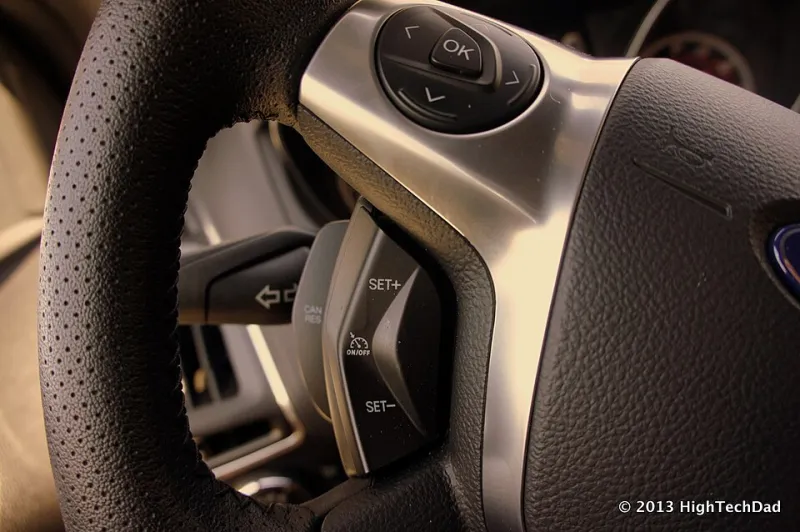
Simple controls. Some systems bury their settings in touchscreen menus. Others put everything on the steering wheel. For drivers who aren't tech-native, physical buttons and straightforward feedback matter a lot.
Clear, audible alerts. When the system disengages or detects a problem, does it communicate clearly? Some vehicles are better than others at giving the driver a heads-up rather than just silently handing back control.
Vehicles consistently praised for user-friendly adaptive cruise include the Subaru Outback, Honda CR-V, Toyota Camry, and Ford Escape — all popular choices in the older driver demographic for good reason.
The Bigger Picture
Keeping older Americans driving safely isn't just a personal quality-of-life issue. It's a public health and infrastructure question. The alternative to safe driving for many people in suburban and rural America isn't a robust transit system — it's isolation.
Adaptive cruise control won't solve every challenge that comes with aging behind the wheel. But for a meaningful slice of older drivers, it's a genuine tool for extending years of safe, independent mobility. That's worth talking about — and worth asking your doctor, your driving specialist, or your family about the next time the subject comes up.