When the System Turns on You: The Scary Reality of Cruise Control Malfunctions
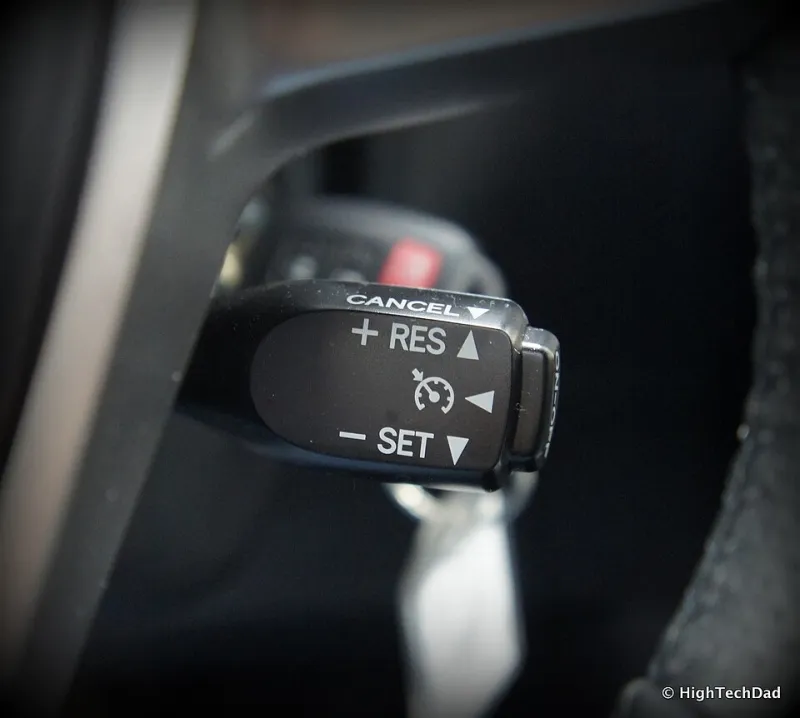
Photo: Michael Sheehan, CC BY 2.0, via Wikimedia Commons
Picture this: You're cruising along a flat Texas highway at 68 mph, traffic light, sun low on the horizon. You've had the cruise set for the last 40 miles without a hiccup. Then, without warning, your car starts accelerating. You tap the brake — nothing. You hit it harder. The car keeps climbing. By the time you've physically forced the car to slow down, your heart is hammering and your hands are shaking.
This isn't a horror movie plot. It's a scenario that has played out in real NHTSA complaint databases, in courtroom depositions, and on dashcam footage that has gone viral more than once. Cruise control malfunctions are rare — but they happen, and when they do, they happen at speed.
Let's talk about what actually goes wrong, why it goes wrong, and what you can do about it.
Understanding the Two Failure Modes That Matter Most
Cruise control systems fail in two broad directions, and they're almost opposite in character.
Unintended acceleration — where the system pushes the vehicle faster than commanded or refuses to disengage — is the scarier headline grabber. It's also the failure mode that has triggered the most significant recalls in automotive history.
Ghost braking — where the system applies the brakes unexpectedly, often at highway speed — is less dramatic but arguably more dangerous in terms of rear-end collision risk. It's become a growing complaint category as adaptive cruise control systems using radar and camera sensors have proliferated.
Both failures trace back to one of three root causes: mechanical failure in the throttle or braking linkage, electrical faults in the control module or wiring, or sensor errors feeding bad data into an otherwise functional system.
The Recall History You Should Know
The most notorious cruise control malfunction saga in modern automotive history belongs to Ford. Between 1992 and 2004, Ford issued a series of recalls covering millions of vehicles — including F-Series trucks, Explorers, and Crown Victorias — related to a cruise control deactivation switch that could leak brake fluid and ignite. The resulting fires, many of which started while vehicles were parked and unoccupied, were traced back to a single component in the cruise control system. The total recall ultimately covered approximately 16 million vehicles across multiple campaigns.
More recently, the rise of adaptive cruise control has introduced a new category of complaints. Between 2020 and 2024, NHTSA received thousands of complaints specifically related to false braking events in vehicles equipped with radar-based ACC systems. Toyota, Honda, Subaru, and Tesla all appear in the complaint database with variations of the same story: the car brakes hard for no visible reason, often on clear highway stretches.
Subaru opened a formal investigation in 2022 after complaints about its EyeSight-equipped vehicles braking unexpectedly. Honda issued a software update for certain Accord and CR-V models after similar reports. Tesla's Autopilot system — which incorporates adaptive cruise functionality — has been the subject of multiple NHTSA probes related to phantom braking, with the agency formally investigating the issue in 2022 covering roughly 416,000 vehicles.
Why Sensors Lie (and What Happens When They Do)
Modern adaptive cruise control systems are essentially making rapid-fire decisions based on sensor data. Radar units mounted in the front bumper measure the distance and relative speed of objects ahead. Camera systems identify lane markings, vehicles, and obstacles. When those sensors work correctly, the result is seamless, intelligent speed management.
When they don't, things get weird fast.
Radar sensors can be confused by:
- Overpasses and bridge structures — the system momentarily reads them as stationary obstacles in the lane
- Metal debris or guardrails at certain angles — reflective surfaces can create false echoes
- Adverse weather — heavy rain, snow, and road spray degrade radar accuracy significantly
- Sensor contamination — a muddy bumper or ice buildup over the radar unit can dramatically alter its readings
Camera-based systems have their own set of vulnerabilities: low sun angles, glare, worn lane markings, and construction zones with temporary striping can all cause the system to misinterpret what it's seeing.
The danger isn't just the false input itself — it's the speed at which the system acts on that input. A human driver who sees a weird shadow on the road might slow slightly and then relax when they realize nothing is there. A cruise control system acting on bad radar data can apply full braking force in a fraction of a second, with no warning to the driver or the car behind them.
What You Can Actually Do About It
The good news is that most cruise control malfunctions are detectable before they become emergencies, and most can be addressed through straightforward diagnostics or software updates.
Check the NHTSA database. Go to nhtsa.gov and run your VIN through the recall lookup tool. If there's an open recall related to your cruise control or driver assistance system, get it addressed immediately — most recalls are handled at no cost at your dealership.
Watch for early warning signs. Cruise control systems rarely fail without some preliminary symptoms. Watch for:
- The system disengaging randomly on clear roads
- Inconsistent speed holding (surging or hunting around the set speed)
- Unexpected braking events, even minor ones
- Warning lights related to radar, camera, or driver assistance systems
Keep your sensors clean. This is genuinely underrated advice. Wash the front bumper area regularly, especially in winter. Clear ice and heavy mud from around radar units. If your vehicle has a camera behind the windshield, make sure the defroster grid is functional.
Know your manual override. Every cruise control system has a way to cut it off instantly. For most vehicles, stepping on the brake pedal disengages the system. Many cars also have a dedicated cancel or off button on the steering wheel. Know where it is before you need it.
If you suspect a malfunction, don't wait. A cruise control system that's behaving oddly is not a "monitor it and see" situation. Have it diagnosed. A dealer or a qualified independent mechanic can pull fault codes from the relevant modules and identify whether there's an active issue.
What Manufacturers Are (and Aren't) Doing
The industry response to phantom braking complaints has been mixed. Software updates have addressed some sensor interpretation issues, and radar hardware has improved considerably. But the pace of recalls and investigations suggests that the industry is still playing catch-up with the complexity of these systems.
The NHTSA's 2022 probe into Tesla's phantom braking was notable not just for its scale but for what it signaled: regulators are paying attention to the way advanced driver assistance systems behave in the real world, not just in controlled test environments.
For now, the most powerful tool you have is information. Know your vehicle, know its recall history, and don't ignore the warning signs. Cruise control is one of the best safety tools on the road — until it isn't.