Autopilot, Cruise Control, and the Legal Minefield Nobody Mapped
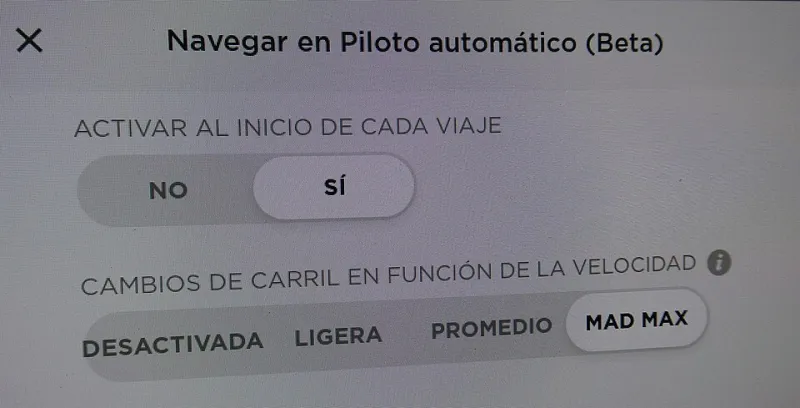
Photo: Jzh2074, CC BY-SA 4.0, via Wikimedia Commons
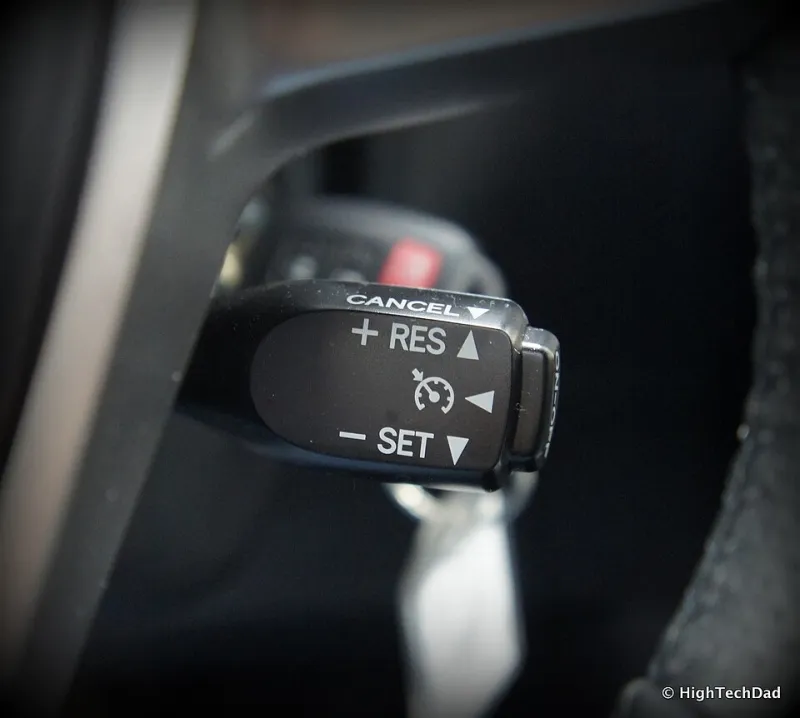
For most of automotive history, cruise control was simple from a legal standpoint. You set the speed, the car held it, and if anything went wrong, the driver was responsible. Full stop. The technology was a convenience feature, not a co-pilot.
That clarity is gone now. And the legal system — along with the insurance industry and federal regulators — is trying to figure out what comes next.
From Comfort Feature to Contested Territory
Traditional cruise control sits firmly in the "driver assistance" category. It maintains speed. It doesn't steer, it doesn't brake for obstacles, and it doesn't make judgment calls. The driver remains unambiguously in control.
But the category of technology that gets marketed under cruise-adjacent branding has exploded. Tesla's Autopilot and Full Self-Driving (FSD) features. GM's Super Cruise. Ford's BlueCruise. These systems combine adaptive speed control with lane-keeping, automatic braking, and in some cases hands-free highway driving.
The problem? They're still technically classified as Level 2 driver assistance systems under SAE's automation scale — meaning the human driver is legally required to remain attentive and in control at all times. But the name Autopilot, and the experience of hands-free highway driving, sends a very different message to consumers.
That gap between technical classification and real-world perception is where the lawsuits are piling up.
The Litigation Landscape
The National Highway Traffic Safety Administration (NHTSA) has been investigating Tesla's Autopilot system since 2021, following a series of crashes involving emergency vehicles. As of 2024, that investigation had expanded to cover hundreds of incidents and millions of vehicles.
In civil courts, the picture is equally complicated. Multiple wrongful death and personal injury lawsuits have been filed against Tesla, with plaintiffs arguing that the company's marketing of Autopilot as a capable, reliable system encouraged drivers to over-trust it — effectively creating the conditions for crashes that a properly warned driver might have avoided.
Tesla's defense has consistently centered on the argument that Autopilot documentation and onboarding screens explicitly instruct drivers to keep their hands on the wheel and remain attentive. In other words: the system worked as designed, and the driver failed to comply with the usage terms.
Legal experts watching these cases say that argument has had mixed success. "The question courts are wrestling with is whether a warning buried in a user agreement or displayed during setup is sufficient to counteract months of marketing that emphasizes the hands-free, autonomous feel of the product," says one attorney who specializes in product liability cases involving emerging vehicle technology. "That's not a settled question."
Where Insurance Gets Complicated
Insurance liability hinges heavily on fault determination. In a traditional crash, adjusters and attorneys work to establish what the driver did or failed to do. With semi-autonomous systems in the picture, a new question enters the room: what was the vehicle doing, and did it contribute to the outcome?
Most personal auto insurance policies in the US were written in an era when vehicles didn't make real-time driving decisions. They cover driver negligence, not software behavior. That creates gaps.
If Autopilot misidentifies a lane marking and drifts into another vehicle, is that driver error? Product liability? Both? The answer determines whether the claim flows through personal auto insurance, the manufacturer's product liability coverage, or some combination — and insurers are not thrilled about the ambiguity.
Some carriers have quietly begun adding language to policies that specifically addresses autonomous and semi-autonomous feature use. Others are waiting for regulatory clarity before making moves. Either way, drivers using these systems may be operating under coverage assumptions that haven't been tested in their specific context.
The Regulatory Push — and Its Limits
NHTSA has authority over vehicle safety standards, but its framework for autonomous vehicles has been slow to catch up with the technology. The agency has issued guidance documents and launched investigations, but binding federal regulations specifically governing Level 2 and Level 3 systems remain sparse.
Some states have tried to fill the gap. California, where a significant portion of autonomous vehicle testing takes place, has its own DMV regulations covering AV permits and incident reporting. But state-level patchwork creates its own problems — a vehicle's legal status and the associated liability rules can shift depending on which side of a state line you're on.
The core definitional problem hasn't been solved: at what point does "advanced driver assistance" become "autonomous driving" in a way that meaningfully shifts liability from the human to the manufacturer? SAE's levels provide a technical framework, but they don't have the force of law, and they weren't designed to answer liability questions.
What This Means for the Average Driver
If you're driving a Tesla with Autopilot engaged, or using GM's Super Cruise on the interstate, here's the practical reality: you are still legally the driver. You are still responsible for what happens. The fact that the car is doing the steering and speed management doesn't change your legal exposure if something goes wrong.
That's not a criticism of the technology — these systems have genuine safety benefits and real-world data shows they can reduce certain types of crashes. But the legal framework hasn't evolved to match the technology, and that gap creates real risk for drivers who assume the system's capability implies a transfer of responsibility.
Read your insurance policy. Understand what your system can and can't do. And when the marketing says "autopilot," remember that lawyers, regulators, and insurance adjusters are still arguing about what that word means.
The Road Ahead
Federal legislation specifically addressing autonomous vehicle liability has been proposed in Congress multiple times and has stalled repeatedly, caught between consumer safety advocates, automakers, and tech companies with competing interests.
Meanwhile, the technology keeps advancing. Level 3 systems — where the vehicle can handle driving tasks without human supervision under specific conditions — are beginning to enter the US market. Mercedes-Benz received approval to operate a Level 3 system in Nevada, with California following. At Level 3, liability questions shift more substantially toward the manufacturer during periods of automated operation.
That shift, when it fully arrives, will rewrite the rules entirely. The cruise control of the future might not just hold your speed — it might hold the legal responsibility too.
We're not there yet. But the map is being drawn right now, in courtrooms and regulatory offices, one case at a time.